
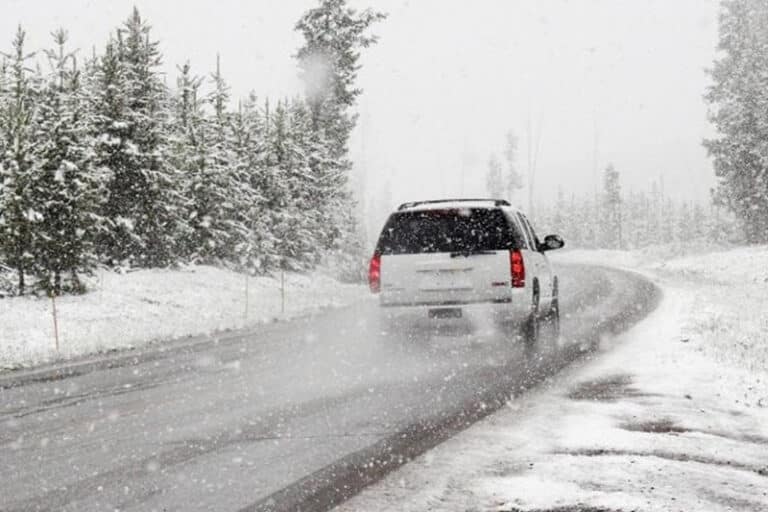
Colorado winters don’t play nice. Between sudden blizzards, black ice on I-70, and the unpredictable freeze-thaw cycles that turn Denver-area roads into obstacle courses, we know firsthand how quickly a routine commute can turn dangerous. And when the unexpected happens, a spinout near Eisenhower Tunnel or a fender-bender on icy streets in Aurora, the last thing you want is to discover your insurance doesn’t have your back.
At Affordable Insurance, we’ve spent over 25 years helping Colorado drivers prepare for exactly these situations. Whether you’re a seasoned mountain driver or new to Front Range winters, reviewing your auto insurance before the snow flies can save you thousands. Let’s walk through what you need to know.
Why Winter Driving in Colorado Requires Special Insurance Considerations
Colorado’s winter weather isn’t just cold, it’s wildly unpredictable. We can see 60-degree afternoons followed by six inches of snow overnight. That kind of volatility creates driving hazards you won’t find in many other states.
Consider the numbers: Colorado consistently ranks among the top states for weather-related accidents during winter months. Ice storms, reduced visibility, and packed snow on mountain passes all contribute to higher collision rates between November and March. And it’s not just about driver skill, even careful motorists can get caught in multi-car pileups or slide into guardrails when conditions deteriorate faster than road crews can respond.
This is exactly why standard minimum coverage often falls short for Colorado winters. State-mandated liability insurance covers damage you cause to others, but it does nothing to repair your own vehicle after a weather-related accident. If you’re still driving with bare-minimum coverage, winter is the worst time to gamble.
At Affordable Insurance, we work with drivers across Aurora and the greater Denver metro to evaluate coverage gaps before they become expensive problems. We understand that everyone’s situation is different, whether you have a perfect driving record or you’re managing an SR22 requirement, and we tailor recommendations accordingly.
Understanding Comprehensive and Collision Coverage for Winter Weather
Here’s where many Colorado drivers get confused: comprehensive and collision coverage sound similar, but they protect you in very different scenarios.
Collision coverage pays to repair or replace your vehicle when you hit something, another car, a guardrail, a telephone pole. If you slide through a stop sign on black ice and rear-end another vehicle, collision coverage handles your repairs (minus your deductible). During winter, this is the coverage that matters most for accident-related damage.
Comprehensive coverage, on the other hand, covers non-collision events. Think falling tree branches during a heavy snowstorm, hail damage, or a deer darting across the road in low-visibility conditions. It also covers theft, which, unfortunately, tends to spike in Denver during cold months when thieves target vehicles left running to warm up.
Neither of these coverages is required by Colorado law, but we strongly recommend both for winter driving. The cost of adding comprehensive and collision to your policy is almost always less than the out-of-pocket expense of a single weather-related incident.
One tip: review your deductibles before winter hits. A ,000 deductible saves you money on premiums, but can you comfortably pay that amount if you need to file a claim in January? Sometimes adjusting your deductible makes sense based on your financial situation.
Key Policy Add-Ons to Consider Before the Snow Flies
Beyond your core coverage, several policy add-ons become especially valuable during Colorado winters. We recommend evaluating these options before the first major storm, not after you’re stranded on the side of Highway 285.
Roadside Assistance and Towing Coverage
Getting stuck in winter conditions isn’t just inconvenient, it can be dangerous. When temperatures drop below freezing and you’re miles from help, waiting hours for a tow truck isn’t just frustrating: it’s a safety issue.
Roadside assistance coverage typically includes towing, jump-starts, lockout service, and sometimes even fuel delivery. The cost is usually modest, often just a few dollars per month, but the value becomes obvious when you need it. Without coverage, a single tow from a remote mountain location can easily exceed $200.
We’ve seen customers save hundreds by adding this coverage before winter arrives. It’s one of those “hope you never use it” policies that pays for itself the first time you do.
Rental Car Reimbursement
Here’s a scenario we see too often: a customer’s car is in the shop for two weeks following a winter accident, and they’re suddenly stuck without transportation. Rental car reimbursement coverage helps bridge that gap by paying for a rental vehicle while yours is being repaired.
This coverage is particularly valuable if you rely on your vehicle for work or family obligations. Repair times tend to stretch longer during winter months when body shops are busiest. Adding rental reimbursement to your policy now means you won’t be scrambling later.
At Affordable Insurance, we can bundle these add-ons with your existing coverage and often find ways to keep your overall costs manageable, even for high-risk drivers or those with less-than-perfect records.
How to Review and Update Your Policy Before Winter
Updating your insurance doesn’t need to be complicated. Here’s our recommended approach for getting winter-ready:
1. Pull out your current policy. Actually read it, or at least the declarations page that summarizes your coverage limits. Many people are surprised to discover what they do and don’t have.
2. Assess your vehicle’s current value. If you’re driving an older car, comprehensive and collision coverage might cost more than the vehicle is worth. On the flip side, if you recently upgraded, your old policy limits might be inadequate.
3. Consider your winter driving habits. Do you commute over mountain passes? Drive frequently at night? Regularly park outside where hail and snow can accumulate? Your exposure to risk should inform your coverage decisions.
4. Talk to an actual agent. Online quotes are convenient, but they miss nuances. At Affordable Insurance, our team, including longtime agents like Jennifer and Yolita, can walk you through options and answer questions specific to your situation. We work with multiple A+ rated carriers like Progressive, The General, and Dairyland Insurance, which means we can shop around for the best fit.
5. Don’t wait until after an accident. Policy changes typically don’t apply retroactively. If you’ve been meaning to add coverage, do it now, before the snow flies.
We also make the process easy with same-day coverage, low down payments, and insurance documents emailed immediately. Whether you’re a good driver looking to save or someone managing DUIs, suspensions, or SR22 requirements, we work with all types of drivers.
Conclusion
Winter driving in Colorado demands more than good tires and cautious habits, it requires insurance that actually protects you when conditions turn dangerous. By reviewing your coverage now, adding smart policy extras, and working with an agent who understands local risks, you’ll face the season with confidence.
Ready to get your policy winter-ready? Reach out to us at Affordable Insurance in Aurora. We’re here to help you find coverage that fits your needs and your budget, no matter your driving history.